
Now Reading: 9 awesome Graphic Novels, books & webtoons from page to screen
-
01
9 awesome Graphic Novels, books & webtoons from page to screen


A list of graphic novels, webtoon and book adaptations, from page to screen
Some of these graphic novels, webtoons and books arrived exactly as promised. One is still in development-Hell, and some evolved far beyond what anyone expected. In recent years, Asia has quietly taken the lead in producing bold adaptations that genuinely understand their source material.
Here is a refreshed and expanded look at page-to-screen adaptations that mattered then, and those that matter now.
The Terror
Based on the novel by Dan Simmons
Slow-burning horror rooted in history, isolation, and psychological collapse. The Arctic backdrop felt like the main character, an enemy in itself, grinding down a stranded crew already teetering on the edge. Add is some Artic beast and we got the recipe for one of the best shows in recent years.
At the time, this kind of bleak, literary horror felt like a risk for television. Looking back, it was one of the rare adaptations that trusted atmosphere over spectacle and treated its audience like adults.
Empire of the Dead (in development-Hell – may be dead in the water and not happening)
Based on the Marvel graphic novel by George A. Romero
George A. Romero blending zombies and vampires in a quarantined New York City felt inevitable during the height of undead fever. The comic was clearly structured with episodic storytelling in mind, and AMC always felt like the natural home.
When this article was first written, the series felt imminent. Years later, it remains one of the great genre projects that never crossed the finish line. Even so, it represents that era perfectly, when comics were being snapped up faster than networks could actually produce them.
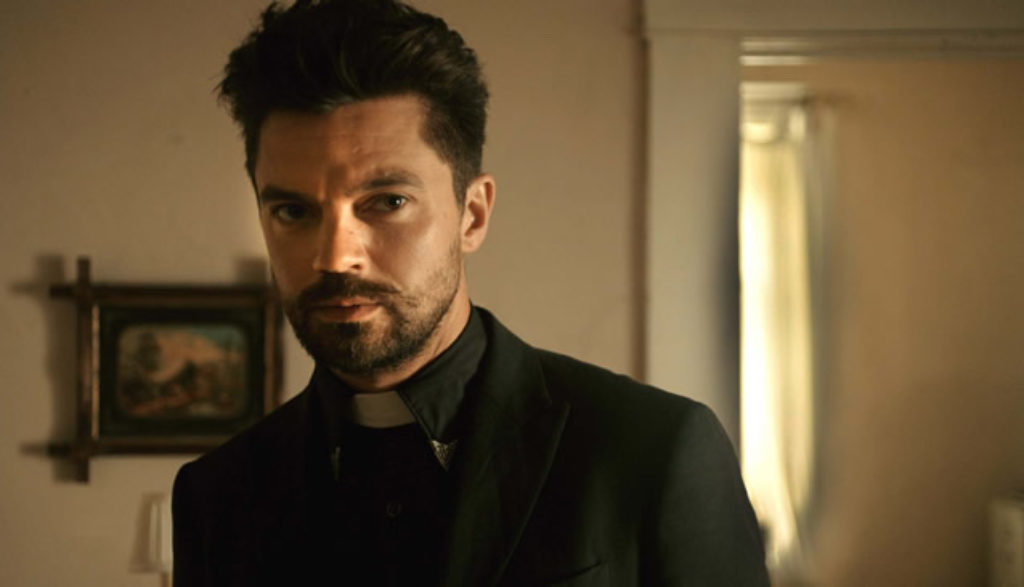
Preacher
Based on the graphic novels by Garth Ennis and Steve Dillon
Few adaptations arrived with as much scepticism as Preacher. The comic’s reputation alone made it feel unfilmable. Violence, blasphemy, and pitch-black humour collided in ways television had rarely attempted. AMC handing the reins to Seth Rogen and Evan Goldberg initially raised eyebrows, but their deep love for the source material mattered.
Kingdom
Based on the webtoon, The Kingdom of the Gods
In the last five years, Korean adaptations have quietly reset the bar. Kingdom took the familiar zombie formula and fused it with historical political drama, resulting in something that felt both fresh and deeply rooted in its culture.
Rather than leaning into excess, the series focused on social collapse, class divides, and the cost of leadership during a crisis. It proved that adapting graphic material does not mean dumbing it down for global audiences.
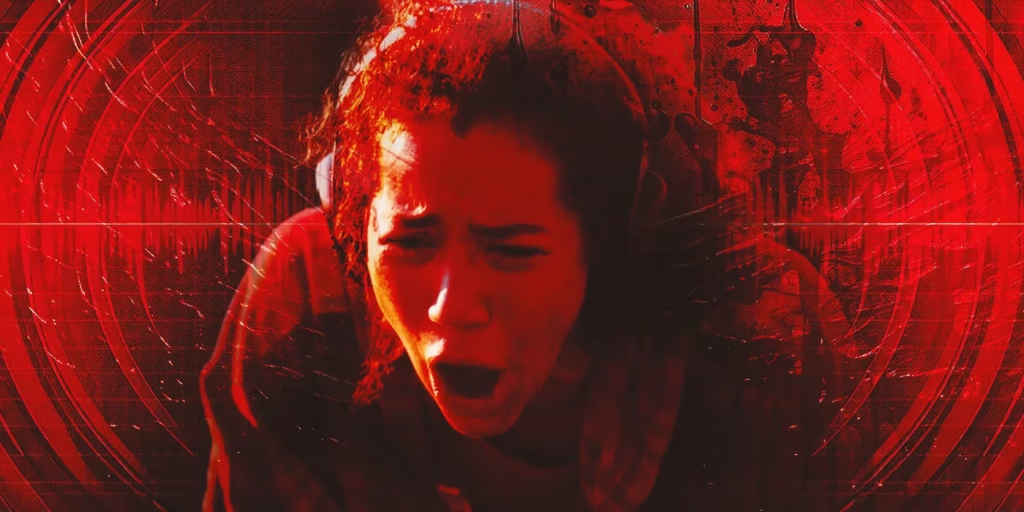
Sweet Home
Based on the webtoon by Kim Carnby and Hwang Young-chan
Sweet Home embraced the kind of body horror and existential dread most Western adaptations soften. The monsters are grotesque, but the real horror lies in desire, guilt, and what people become when society collapses.
As an adaptation, it understood tone above all else. It did not chase mainstream comfort, and that discomfort is exactly why it worked.
Continued on next page










Related Posts

Stay Informed With the Latest & Most Important News
Previous Post
Next Post








Advertisement